
How Culturally Grounded Communication Improves Public Health Outcomes
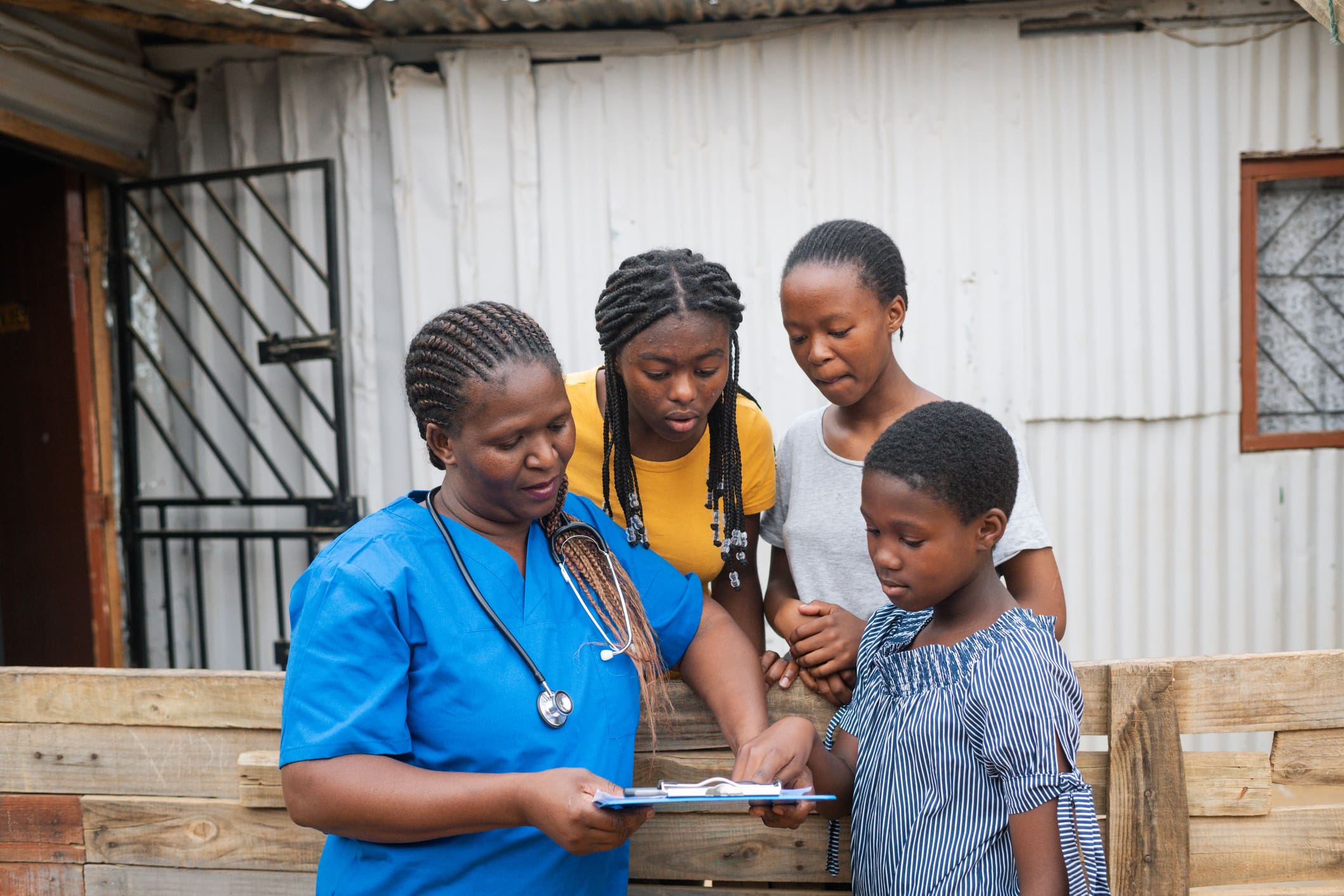
In public health, the effectiveness of programmes often depends not only on the quality of research and interventions but also on how well communities understand, trust, and act on the information provided. Across Southern Africa, diverse cultures, languages, and social contexts mean that even the most evidence-based health initiatives can fall short if communication strategies fail to resonate with local populations. This is where culturally grounded communication becomes essential. By translating complex health research into messages that reflect local realities, public health organisations can drive trust, engagement, and measurable impact.
The Challenge of Public Health Communication
Health research generates a wealth of evidence that can improve lives, from disease prevention strategies to treatment protocols and behavioural interventions. However, translating this evidence into community understanding and action is not straightforward. Many public health campaigns fail to achieve desired outcomes because messages are generic, overly technical, or disconnected from the lived experiences of the target populations.
In Southern Africa, the challenge is compounded by linguistic diversity, varying literacy levels, and cultural differences in health beliefs and practices. For example, a campaign promoting maternal health must consider not only clinical recommendations but also the cultural norms around childbirth, family decision-making, and traditional practices. Without attention to these factors, even well-intentioned health initiatives may be ignored, misunderstood, or met with scepticism.
Why Culturally Grounded Communication Matters
Culturally grounded communication places communities at the centre of health messaging. It acknowledges local values, languages, and social structures, ensuring that interventions are not only understood but also embraced. This approach goes beyond translation; it involves adaptation, listening, and collaboration.
When health communication is culturally grounded:
- Trust is Built: Communities are more likely to accept messages that align with their lived experiences and respect their traditions.
- Engagement Increases: People engage more actively with programmes that feel relevant to their lives.
- Behaviour Change is Supported: Culturally tailored messages are more persuasive and actionable, leading to measurable improvements in health outcomes.
For instance, multilingual health materials, visual infographics, and community dialogues can make complex research accessible and relatable. In rural areas with limited literacy, storytelling and illustrations may convey life-saving information more effectively than text-heavy documents.
Translating Research Into Action
Effective public health communication requires translating research into forms that communities can understand and act upon. This process involves several key steps:
- Plain Language Summaries: Complex studies are simplified into clear summaries that retain essential insights. By avoiding jargon, these summaries make evidence accessible to decision-makers and communities alike.
- Infographics and Visual Tools: Data visualisation can communicate trends, risks, and recommendations in a way that is easy to grasp. Well-designed visuals can transcend literacy barriers and leave a lasting impression.
- Policy Briefs: Concise, targeted briefs ensure that policymakers receive actionable recommendations derived from research, supporting informed decisions.
- Health Literacy Materials: Educational resources, tailored to local languages and contexts, empower individuals to make informed choices about their health.
By investing in research translation, public health programmes can bridge the gap between evidence and practice, ensuring that interventions are not only designed based on solid data but also delivered in a way that is meaningful for the target audience.
Engaging Communities Effectively
Community engagement is a cornerstone of culturally grounded communication. It involves actively listening to community members, understanding their priorities, and co-creating health interventions. This participatory approach fosters ownership, trust, and long-term sustainability.
Key strategies include:
- Community Listening: Gathering insights from community members through interviews, focus groups, and informal conversations to understand health beliefs, barriers, and facilitators.
- Cultural Adaptation: Modifying health messages and delivery methods to reflect local customs, norms, and values.
- Multilingual Content: Producing materials in the languages spoken by the target population to ensure inclusivity and comprehension.
- Partnership Facilitation: Collaborating with local leaders, organisations, and influencers to strengthen programme reach and credibility.
When communities are genuinely involved in the communication process, programmes are more likely to achieve adoption and lasting behavioural change.
Building Capacity for Sustainable Impact
Effective communication requires not just tools and materials but also skilled teams. Capacity building ensures that organisations can design, implement, and evaluate culturally grounded communication strategies independently.
Training programmes might include:
- Health Communication Workshops: Equipping teams with practical skills in messaging, audience engagement, and campaign design.
- Crisis Communication Preparedness: Preparing teams to respond quickly and effectively in emergencies.
- Evaluation Frameworks: Establishing systems to measure the impact of communication initiatives, enabling evidence-based improvements.
Investing in capacity building creates a multiplier effect: trained teams can implement high-quality communication programmes across multiple communities, sustaining impact over time.
Measuring Impact
Culturally grounded communication is not just a theoretical approach—it is measurable. Effective programmes track outcomes such as:
- Changes in knowledge, attitudes, and behaviours among target populations.
- Increased uptake of health services or adherence to recommended practices.
- Strengthened trust in public health institutions.
- Enhanced community participation and engagement in health initiatives.
Regular monitoring and evaluation allow programme teams to refine messages, identify gaps, and demonstrate tangible results, which is critical for accountability and long-term success.
Conclusion
Across Southern Africa, culturally grounded communication is essential to translating health research into meaningful, real-world impact. By combining research translation, community engagement, digital strategies, and capacity building, public health initiatives can build trust, drive behaviour change, and improve outcomes.
Programs that ignore cultural risk have low uptake, wasted resources, and limited impact. In contrast, initiatives that embrace cultural insight and community collaboration create lasting change.
At its core, culturally grounded communication recognises that health is not just about information—it is about understanding, trust, and relevance. By bridging evidence with the realities of everyday life, Evida Health Strategies can transform research into actions that save lives and strengthen communities.
Translate Your Research